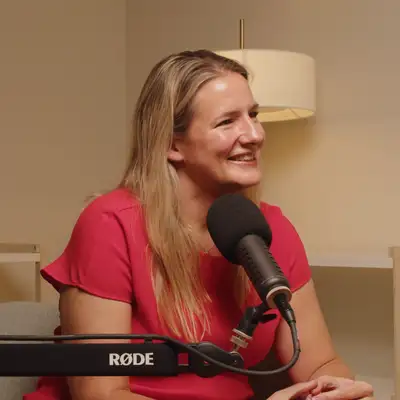
Elizabeth Shaw: Diversity and Inclusion, Knowing Your Worth, The Power of Sponsorship
Hello, and welcome to Career Stories, the podcast that shares other people's career stories to help you with yours. I'm Doctor. Luella Forbes, and each week, I sit down with leaders, experts, and entrepreneurs to uncover the stories behind their careers. At the end of each month, I'm joined by Associate Professor Michelle Gander to explore how those conversations might help you on your career journey. Listen every Wednesday for the latest career story.
Luella Forbes:My guest today is Elizabeth Shaw. She is the partner responsible for the Australian diversity, equity, and inclusion practice at PwC. The challenges facing women in the workplace have been well publicized over the last ten or fifteen years, and Beth has played a critical role in both raising awareness and making progress towards resolving them. As board member and president of UN Women, Beth played a role in growing the importance of International Women's Day in Australia as well as advising the then prime minister. Beth was an Australian delegate to the UN Commission on the Status of Women as well as being nominated as one of a 100 women of influence in Australia by the Financial Review in 2017.
Luella Forbes:A regular commentator on gender equality issues, Beth now spends her time helping companies create safer and more inclusive workspaces for women and minority groups. She's also one of the funniest people I know. Beth Shaw, welcome to Career Stories.
Elizabeth Shaw:Thank you, Forbes. Am I allowed to call you Forbes? If
Luella Forbes:you must. So, Beth, you're currently the partner responsible for diversity, equity, and inclusion consulting at PwC, which is one of the global big four consulting firms. There's a few terms in there that it would be good to just explain to people. So let's start with the basics. What do we mean when we talk about consulting, and what are the big four?
Elizabeth Shaw:So consulting is what we do. We support businesses who are looking for help on matters relating to people culture, leadership, talent, change, DEI, all of those things. I sit in our workforce practice. And organizations come to us for consulting for different reasons. Sometimes it's because they need a specialist skill set.
Elizabeth Shaw:Sometimes it's because they don't have capacity. Sometimes it's a sort of a short term repeatable process that they want outside expertise in to do. So that's where we can add value. The big four is a term for the biggest four kind of consulting advisory tax audit businesses in Australia. PDBC Australia is obviously one of them.
Elizabeth Shaw:I can't remember the other three names, though. Just they escape me now. Less relevant.
Luella Forbes:Yeah. So so businesses come and consult you Mhmm. For advice and guidance.
Elizabeth Shaw:Exactly.
Luella Forbes:Yep. And so what does being a partner mean?
Elizabeth Shaw:So the big four are all partnership models. And as a partner, you're typically an equity partner, so bought into the business. And when you become a partner, your role shifts significantly from when you kind of rise up through the different levels of a a consulting firm from you move from sort of doing the work and managing the delivery to sort of going up and out of the business, looking out into the market and thinking about what are our clients struggling with, what what is around the corner for them, how what and how might we reach across our business and bring together this unique mix of skills and capabilities to best solve their problem? So you're responsible for developing a go to market strategy and executing on that. You're responsible for working in different sectors and I and kind of identifying cross lines of service approaches and collaboration opportunities as well as the bigger picture stuff on people.
Elizabeth Shaw:So how do we make sure that we're a great employer and we're attracting the top talent in the market and building careers for people? Looking more broadly at our social responsibilities and organizations. So how do we build trust in society and solve important problems and think about the lasting impact that we have as a business and our work has in the
Luella Forbes:broader community. So you are not only the leaders of the business, but also you're all the owners of the business Yes. Together. You have hundreds hundreds of partners that all kind of own the business and collaborate together. Yeah.
Luella Forbes:So it's much more emphasis on collaboration.
Elizabeth Shaw:Yeah. That's right. I think the best partners are ones that work well with others that can, you know, do things in a way recognizes that sometimes it's not about you, it's about other people and other teams and other capability. And I think the best thing that I love about it is there are 650 partners at PwC Australia. They're all very smart people.
Elizabeth Shaw:They all do really interesting stuff. So for me, I could kind of be doing my own Beth Shaw consulting out in the Burbs just myself, or I could come to this place where there are heaps of smart people who have a perspective on employment law or workplace investigations or, you know, public economics or, you know, really penetrating insights into the health care sector. And I can pull all of those people into projects that I'm working on depending on what we need, and that's what I love about it. That's the best of, I think, these big firms, that depth of capability and talent and expertise. And it means that no matter what level you're at, you keep growing.
Elizabeth Shaw:And your idea of a team, I have my team of subject matter expertise, but and and experts, but we always pull in different people into our projects. So it's interesting and fun to get to meet with meet and work with so many different types of people.
Luella Forbes:Yeah. Fantastic. So let's then talk about the specific work that you do. So you're responsible for diversity, equity, and inclusion consulting. What does that mean is the type of work you do kind of day to day?
Elizabeth Shaw:I think that the majority of the work that I do would be in the culture space. One of the biggest things that we do for organizations is go in and do an independent workplace culture and behavior review. Some of that is precipitated by legislative change. So there's been increased requirements on organizations following the implementation of respect at work and the increased responsibilities for people to prevent inappropriate workplace behavior before it happens. Sometimes we get called in when something goes wrong.
Elizabeth Shaw:So there has been a bullying or a harassment incident or a leadership capability issue, and there's been some serious consequences. I tend to like those ones. I feel like the scandal of the consulting world in in a sense, but but what I like about them is that one, when you get brought in in those situations, clients have to trust you, and you have to earn that trust and build it really, really quickly because there are some big quick decisions that need to be made in a man in managing that kind of initial response. You're in some pretty senior conversations with senior stakeholders. They're trying to solve some problems.
Elizabeth Shaw:They're at a point in time where they will commit resources and attention and investment in making sure that doesn't happen again. And that for me is the best time to work because you've got the ingredients that are needed to drive real change. We do work with organizations on strategies, like gender pay gap. We do disability strategies and accessibility kind of work. We have done First Nations engagement strategies, all sorts of different pieces as well as kind of broader people, talent, culture work.
Elizabeth Shaw:So a real variety. It sounds very interesting.
Luella Forbes:Yeah. The pressure I can imagine the pressure, though, with those big pieces means that there will be a lot of eyes on the work you're doing and a lot of attention on your output. How do you kind of make sure that you're doing a really good job in those circumstances?
Elizabeth Shaw:We I think fundamentally, you have to hire smart people and look after them and create the environment for them to do their best work. I think that's probably my most important role as a partner, recognizing that everyone needs different things to succeed and helping to set up that framework around them. And then my role as a partner, I think I've evolved well, have I evolved? I'm not sure. I remember this the first year we do this kind of feedback survey, and one of my lowest scores was, like, the partner spends the right amount of time on the deliverable.
Elizabeth Shaw:And I got a lowest score. I was like, this is outrageous. Like, I spend so much more time than all of the other partners. I care so much about this. I'm sitting there late at night with this ridiculous printed out document in my red pen, like, pouring over the detail.
Elizabeth Shaw:And then this lovely senior manager was like, maybe you could interpret that score as too much time in the deliverable. I'm like, yeah. Okay. That tracks. So I think, you know, for me, my learning is how do I empower people, step back, trust them, enable them to do their best work rather than getting in the way.
Elizabeth Shaw:And so it's I think that's been one of the biggest transitions from doing the work to being a partner. Like, you you will think if you do that on every single job, and I have gotten better systems in place for how to do that. But, you know, you get some feedback along the way that helps helps make that bit clearer. Oh, look. I think it's good
Luella Forbes:to know that, you know, it doesn't matter what stage you're at in your career. You're always getting feedback, and you're always learning and always Yeah. Developing and trying to think about how you do things.
Elizabeth Shaw:Well, I actually think one of the hardest things about being a partner is that it's really hard to get honest feedback. Like, you know, when you give a speech and people like, that was a great speech. You're like, well, it was okay. Here are some things that I definitely stuffed up. Like, it's very hard for to get that feedback.
Elizabeth Shaw:So I think I've got some wonderful friends in my life who are very good at calling me out on stuff, and I've got other partners who are, I think, are invested in that. But it's really, like, to to get feedback from your team who are often in a position to be most useful to you in terms of that self reflection is so hard. Like, I work on encouraging it, but there's always gonna be gaps.
Luella Forbes:Yeah. Right. So that's what you do now. How did you get there? So perhaps you can talk us through kind of your career story.
Luella Forbes:And maybe we can start with when you were a kid, what did you wanna do?
Elizabeth Shaw:I mean, I definitely wanted to be Britney Spears for a while, like, as a child of the age, and that is who didn't. Like, my god. And just, you know, the lack of singing, dancing, and general talent sort of eroded that dream pretty quickly. And now one of my nightmares would be being that fatness. I think that would be horrendous.
Elizabeth Shaw:I have always struggled. Like, the the question I fear most in interviews is tell me where you'll be in five years. Like, I've never had a plan, never had a conception of that plan. And looking back, I can see a pathway and a pattern and the logic of things, but there was no sort of premeditation at the time. If you told me I would be a partner at a big four firm, I would have probably said, what went wrong?
Elizabeth Shaw:Like, what happened? Like, how have I what am I am I a tax I said, no. Tax and legal practice, so that would probably surprise a younger version of me. But I think the the kind of earliest thing that I can think of is I always wanted to have a job that had meaning and purpose and connected to my values. And I think one of the most formative things that I did, I finished school quite early.
Elizabeth Shaw:I did an arts degree and dabbled in all sorts of things, which was a real privilege, like criminology, Italian, creative writing, feminist theory, like all of the all of the great things you do with a liberal arts degree that was so much fun. And then I decided I wanted to do law, and I decided I want to move to the other side of the country. I grew up in Melbourne and had met some people from Perth, come to Perth on holiday, seeing the kind of beauty of WA and the laid back vibes and walked around the camps at UWA and just been so kinda captivated by it. And so I came to Perth, and I thought it would be for a short amount of time. I didn't know anyone here.
Elizabeth Shaw:I didn't I had no friends. I had no family. And that was the most unbelievably wonderful thing, I think, when you're 20 years old to kind of have to find your way and create a life for yourself and not be wedded to these conceptions of who your friends in high school thought you were or who you might have thought you were, but to be totally open to anyone and anything,
Luella Forbes:which is quite unusual in Australia Yeah. To do that, isn't it? So in The UK, it's very normal
Elizabeth Shaw:Yeah.
Luella Forbes:For you to leave home. Yeah. So, yeah, I when I was 18, moved an hour and a half from my parents, introduced myself as a different you know, introduced myself as Lou instead of Luella. Yeah. Yeah.
Luella Forbes:To everyone. They all thought my name was actually Louise. But it was a way of creating a new identity and kind of shaking off some of the kind of shackles, I guess, of
Elizabeth Shaw:Yeah.
Luella Forbes:Who you who you were when you were an awkward teenager.
Elizabeth Shaw:Exactly. Exactly. Things that might hold you back, stuff that you wouldn't have realized. And at the time, I don't think I would have even thought about it that way, but looking back, that's absolutely how I see it. I And think because I knew nobody at UWA, I literally got involved in every kind of activity in society, not because I was trying to pad out my resume, but because I was desperate to make friends and, you know, make my own way in the little city, I guess.
Elizabeth Shaw:Yeah.
Luella Forbes:It so probably was quite little then.
Elizabeth Shaw:And no one could believe that I moved from Melbourne. They're like, we want to go to Melbourne. Why have you come from Melbourne to Perth? So it's quite mysterious. But what I loved about it, having been to Melbourne uni and there were, I don't know, fifty, sixty thousand people on campus to 15,000 people going from big anonymous lecture theaters to small group teaching, it was incredible.
Elizabeth Shaw:Like, I went to uni every single day and, like, just hung out and met so many people, and that has served me well. You know, just having this huge network of people from law school has been amazing. But I think just writing for the student newspaper and getting involved in the law student society and the law review and, you know, selling prush and, like, being in a pantomime disaster, but, like, fun and playing sport and doing all of that stuff. I mean, that that that is the stuff that makes you well rounded. And I think, you know, when like, our vice chancellor at the time, a guy called Alan Robson was wonderful.
Elizabeth Shaw:He sort of I remember that first week, week, he said, if you leave UWA with just a degree, we failed you. And I thought about that so much because it was so true. Like, I got a law degree from UWA, but I also got this kind of ability to call every law firm in town and shake them down for funding for the law society. And I got the ability to, like, scrap around and look for part time work, and I got the ability to understand how the student guild worked and serve on all of these educational committees at law school. And I don't know.
Elizabeth Shaw:All of those volunteering opportunities, I think, just gave me character and grit and determination and resilience and a work ethic and a sense of how to get stuff done and work with people. And that was the education that I got from law school rather than what I learned in classrooms, and it was phenomenal.
Luella Forbes:Yeah. Great.
Elizabeth Shaw:And then and because of that, like, very clearly because of that, I then had this extraordinary opportunity to be the Australian youth representative to the United Nations when I was 24. And I got that because I had done all of this volunteer work and advocacy and had all of these leadership roles that I could point to in terms of my ability to represent the views of young people. And, again, felt very fortuitous and preordained, but it it wasn't. And then so I had this incredible year where I traveled around Australia. I consulted with 5,000 young people, you know, from school of the air to remote communities to regional towns to, you know, big cities and at risk young people and newly arrived migrant communities, like, fascinating kind of combinations of different perspectives and different views.
Elizabeth Shaw:And that taught me so much of what I draw on today around how to, you know, build relationships and consult and engage in government relations and advocacy and get an op ed out and all of that all of these kind of skills that you'd you know, I kind of felt at the time I was just scrapping around, but we're actually really incredible for everything that I've gone on to do. And you get, I think, a license to make some pretty stupid mistakes when you're 24, but you just kinda get in
Luella Forbes:there and have a a crack at it. But probably also a bit of an awareness of kind of what what there is in Australia and what Australia really is like. Mhmm. Because, obviously, when you, you know, you grow up and you go to school and then you go to university, you're relatively sheltered Yep. And kind of exposed to the community that you live in Yeah.
Luella Forbes:But probably not much else.
Elizabeth Shaw:Yep.
Luella Forbes:That must have been a real eye opener to kind of travel to different parts of Australia and to kind of really understand some of the challenges that people live with Yeah. In a relatively kind of wealthy country Yeah. That there are still lots of challenges.
Elizabeth Shaw:Absolutely. And I think it kind of only made me more passionate about the things I was starting to focus on, which is how do we make sure that, you know, everyone has a voice, that there's not that there's access for everyone to have a you know, their voices heard and their opinions reflected in public policy that services effectively provide for, you know, all the different unique needs of Australians and different communities. Yeah. I think it was really kind of profound and important early experience. And then the second amazing part of that journey was spending three months in New York for the UN General Assembly, which was amazing.
Elizabeth Shaw:I mean, I essentially sublet my the apartment that I had every Australian in New York in that three month period basically stayed with me. I don't know how I got any work done. But so it was, like, it was the most fun. Like, it was just outrageously fun in that, like, I worked all day, went out a reasonable amount of time. And and, like, you know, the first day I arrived in New York, Lehman Brothers collapsed.
Elizabeth Shaw:New York, like, the economy was in free fall. The US presidential election was on. I was in New York when Obama was elected. It was incredible. Like, I remember walking through Times Square at 05:00 in the morning, and everyone was just on the streets in this sense of hope and optimism in slight juxtaposition to the times we find ourselves in now.
Elizabeth Shaw:But it was I mean, that itself was incredible. So at a few weeks when we rep like, we did the kind of youth stuff representing young people. We, know, delivered our speeches before the UN General Assembly and held some side events and met the secretary general and did that piece. But then there were a few months where I just got to track the issues of the third committee of the General Assembly, which were human rights. And that, I think, has really shaped my career because the issues that I tracked and, you know, the topics that we talked about, whether it was halting the spread of HIV AIDS, economic security and empowerment, ending violence against women, ending child marriage, food security, like, so much of it started with what is the role of women in these communities and how do we like, if we start there, how does that accelerate progress on all of these kind of sustainable development indicators?
Elizabeth Shaw:And it just changed the way I thought about international development so profoundly. And I think we've seen that in our aid program, like, at that time and for, you know, quite a while afterwards. When you look at the funding to UN women, it was very low compared to funding to UNICEF and to other kind of key UN agencies. And then I think there has been this widespread recognition that investing in women is a great accelerator of so much the work that we're trying to do in the international development space. And so that I think really set a fire in me around how can I be part of helping people realize that and making that investment in women and girls in our region?
Luella Forbes:Yeah. Fantastic. And so that sounds like a really exciting time. And then you came back to reality, and I assume you needed to find a job?
Elizabeth Shaw:Yes. I needed to earn some money. So I I went. I I was working at the state solicitor's office, so I went and did my articles there, and I think that was an incredible grounding in just getting qualified as a lawyer, working with some really smart, interesting people who are committed to public service. But I would say that my head was probably kind of thinking beyond that pretty quickly around engaging in the work that I was really passionate around, which was in the kind of gender equality international development space.
Elizabeth Shaw:And so I when I was working at the state solicitors, I set up a group in Perth called Young UN Women, which was how do we get young people involved in the work of UN Women, which is the UN's gender equality fund. And that was great, like building a community, which was largely fundraising and awareness raising. And then that kinda helped me. I moved to Canberra shortly after that and got a job in the UN Women Office, and then I ran for election to the board and got elected to the board at quite a young age, which was great. I'd sat on a few boards before that, but which which helped and and then eventually became chair of that board by the time that I was 30, which was I mean, which you know, when I look at the kind of seminal moments in life that have led to where I am, it's moving to Perth and not knowing anyone, youth rep, and helping me understand gender equality in the global context, chairing you and women at a young age and having that experience and then turning that into kind of a consulting kinda career business.
Luella Forbes:Yeah. So I as part of the research for this, I went and, obviously, did a little bit of a Google about about you and your background, and there were quite a few articles or interviews with you that you had done of around the time that you had become the Mhmm. The chair of was it Chek? Yeah. Yeah.
Luella Forbes:Yep. Chair of UN Women. And you talked there about how you were kind of surprised that people gave you the opportunity to do that at such a young age, but it seems like you also had done a lot of the work. Is that fair?
Elizabeth Shaw:When I think about these kind of seminal career moments in my life, the thing that frustrates me, and I wish I'd kind of learned the lesson, but I seem destined to keep repeating it, is I never see some of these opportunities for myself. So I remember I was on my you know, to start from the start, was on my law student societies, the equity officer, and I loved it. And then the guy who was the president was like, you need to run for president next year. I was like, president of the law society? Oh my god.
Elizabeth Shaw:Like, I never would have imagined. And I said, this guy's running. He's gonna get it. He's like, no. You should run and you should do it, and here's why.
Elizabeth Shaw:So grateful to him. I never and I know this sounds crazy, but I never would have thought of it. And I it kills me that I never would have thought about it, but I didn't. And I hadn't imagined it, and he nudged me and encouraged me. And then I took it, and I ran around a good campaign, got elected.
Elizabeth Shaw:Chair of UN Women, I remember this board meeting where the chair was talking to us, and she's like, kind of having a hard talk about, you know, here's where we're going as an organization. Here's what we need from board members. Here are the skills. Here's the time commitment. If that's not you, if you're not if you, you know, reflect and you're not delivering that, then let's step aside and let someone else kind of have an have an opportunity.
Elizabeth Shaw:And so I went up to her afterwards. I was like, oh, you know, I I guess, like, maybe I'm not bringing the right skills and experience. And she was like, that wasn't directed at you. That was directed at so and so. We want you to be the next chair.
Elizabeth Shaw:I was like, what? Like, I literally was about to jump on my sword and be like, say no more. I'm you know? And, like, again, I sort of think how could I have been so wrong? And I think about the generosity of the women around that room who I admired so much who were, like, you know, seasoned journalists, people who'd spent their whole career in the aid and development sector posted around the world, like, serious credible women to to support me and encourage me and back me in to do that knowing what it would mean to me and the impact it would have was quite incredible.
Elizabeth Shaw:And I still remember my first board meeting sitting down at the head of the table and looking up being like, oh god. Is anyone gonna listen? Is anyone gonna take me seriously? And these women who I admired so much all just looking at me expectantly being like, here you go. Like, we you know, you've got this.
Elizabeth Shaw:That was amazing. But have I learned that lesson? No. Because even today, and, you know, you and I have talked about this, I had there was this leadership opportunity that came up at work recently, and my boss was like, Beth, I think you should do this. And, you know, I said I spent the first five minutes saying here are the, you know, all of the reasons why I can't do that, and she has fortunately encouraged me to think differently about it.
Elizabeth Shaw:And so I don't know. I seem to keep tripping myself up over that, and I I don't look up enough and think about what I can do. And I think I feel confident in my space, but I don't feel confident to see beyond that in a way, and that is a real limitation and frustrating. So I think maybe it's
Luella Forbes:not unique to you either. Right?
Elizabeth Shaw:I think it's really common. And what I'm so grateful for is at key junctures, I've had people who can see further for me than I've seen for myself, and they've tapped me on the shoulder and encouraged me. And I think about who in my life can I be that person for to make sure they're not missing that stuff because those people, I will remember them until I die because I'm so grateful for them because it stuff would not have happened without that? But I wish I could get better at seeing that for myself. Like, I just have this tendency and this limitation of I'm gonna stay in my lane, and I know how to do this.
Elizabeth Shaw:And I remember talking to this male friend of mine years ago saying, you know, I wanna do this job and here are all of the ways that I'm overqualified for it. And he's like, why would you wanna do a job that you already know how to do? I was like, could can you apply for jobs that you don't know how to do? He's like, I only apply for jobs that I wanna learn this and grow that and have a go at this, and I just was like, oh, if I could channel that, I would be unstoppable, but I just don't know if I can.
Luella Forbes:There is and I'll we'll get the information on this, and we'll put it in the show notes. But there is some information about how women tend to
Elizabeth Shaw:Mhmm.
Luella Forbes:Only apply for jobs once they feel like they can do every Yeah. Item on their selection list, whereas men are much more likely to just kind of go, oh, yeah. I can probably do that.
Elizabeth Shaw:But Forbes, I talk to organizations about that very phenomenon, and I do it myself. That's why it's even more frustrating. I know better and yet still
Luella Forbes:The irony. So you mentioned consulting then. So you you were doing UN Women in your spare time. You had finished at the state solicitor's office. Yep.
Luella Forbes:Do you wanna talk about your next
Elizabeth Shaw:Yeah. Adventure? So after the state solicitor's office, I had the opportunity to go and be the executive director of the UN Association of Australia. It was a small nonprofit organization with a small number of staff and volunteers all around Australia. And that, think was incredible in my late twenties because it gave me, I think, flexibility before workplaces really gave people flexibility.
Elizabeth Shaw:And what I loved about that is I did my masters at ANU at the same time. I went and did an internship over in The US for three months. I, you know, did the Australia and the youth dialogue. I did all these trips to The US. I had all of these other passions and interests and boards that I was juggling, and that NGO at the time were very relaxed about how I did my job.
Elizabeth Shaw:They measured me on outcomes. I didn't have to do FaceTime, and I kind of just had this very nomadic life, which in my late twenties traveling, I loved and taking advantage of all of the opportunities that came across my path I loved and getting to sort of be able to do that and have that job was incredible. And I think that job kind of helped me recognize how you can have an impact in the NGO sector, how you can collaborate with different organizations for greater impact, building relationships with government, government funding, all of that kind of stuff. I think the stuff that I realized later was hard was I then started at KPMG when I was 30, and I've never had a performance review in my life. I've never used, like, Outlook calendars.
Elizabeth Shaw:I'd like, all of this just really basic kind of organizational hygiene stuff because I'd worked in government and then some crazy NGOs just had not had this And for full transparency,
Luella Forbes:that's where we met.
Elizabeth Shaw:That's right. And
Luella Forbes:I I seem to remember Oh god. So I was trying to explain how Outlook works.
Elizabeth Shaw:Oh gosh. I don't do you know the first time someone's like, I'll put it in your diary, and I literally was gonna be like, my diary's on my desk. Like, I was like, it's the red book. Just, I guess, open the page. I mean, it was so
Luella Forbes:interesting to me because for somebody who was clearly so smart and worldly wise and had so much experience Yeah. If it wasn't Microsoft Word, that was it was was a challenge. I am pleased to say you picked it up pretty quickly, though.
Elizabeth Shaw:I still I mean, there's two things that I look I mean, well, there's so many things I look back in horror now being a partner and, like, looking after teams of people and imagining me managing myself with genuine horror. I remember one time a partner came out to me and was like, talking about tables in Excel. And I was like, oh, I don't really use Excel. I make all my tables in Word and this kind of look of horror that came across their face. And then another time when I discovered Format Painter, like, years into like, in mid thirties, and I was like, format painting, you guys.
Elizabeth Shaw:And, like, doing this, like, lap of the office like a town crier thinking that format painter had just been invented. Everyone was just looking at me like, dear god. So so many moments like that. I don't know how I wasn't fired immediately.
Luella Forbes:But it's so interesting to me because even in the way that you talk about your experience in New York, you're talking about kind of strategic systemic issues that you obviously an inherently understood fairly young. And then there were some real kind of some really basic things that you just hadn't learned yet.
Elizabeth Shaw:Yeah.
Luella Forbes:And it didn't that shouldn't hold people back, I guess, is Mhmm. What I'm saying is that there will be things that people know, and there'll be things that people don't know. And what they know is based on what they've been exposed to, but it doesn't mean that they can't learn
Elizabeth Shaw:Yeah.
Luella Forbes:The other things. And so one of the things that quite often frustrates me when when organizations are looking at recruitment Mhmm. Is that they look at kind of a fairly banal tick box exercise. Like, if the exercise said, do you know how to use PowerPoint? Then you would have said you would have failed kind of straight away, and we would have missed out on having this amazing super smart, like, Mhmm.
Luella Forbes:Systems thinker joining our team. And so thinking about those kind of transferable skills and what people can learn Yeah. And what people bring naturally Yeah. To something, I think, is really important.
Elizabeth Shaw:Yeah. And I think it's also made me reflect. Like, I think you learn this. Like, I I had to learn it, but, like, you know, sometimes you have people in the team and it's not working. I I mean, and you were very good at teaching me this as well, but, like, always asking how someone's going, like, what else is going on in their life, but also thinking about and there's some analogy someone used once about, like, a person seeing a person like a plant and, like, you know, what's is the soil right?
Elizabeth Shaw:Are they getting enough light? Do they have, like, I don't know enough about gardening to continue that metaphor as fully as it probably could be unfilled. But I think a lot about that now as a partner and trying to set people up for success because I had people who obviously had to let me lean into the things I knew how to do and, you know, build up some of the the stuff that I didn't know how to do. And also a lot of the stuff that people don't know how to do can quickly be taught, but the other stuff. And you said to me, and I always remember this because it was incredibly true.
Elizabeth Shaw:You said to me when I was a little baby manager, you were like, if you can get, like, the kind of core capabilities of consulting, like, data analysis, quant, like, I don't know all of that. Don't talk to me about pivot tables.
Luella Forbes:The well, it was the kind of more commercial fundamentals. Yeah. So how do you manage risk? Yeah. Yeah.
Luella Forbes:How do you know about price and those kind of things?
Elizabeth Shaw:Builder and, like, project management scope and risk and all of
Luella Forbes:that stuff.
Elizabeth Shaw:Yeah. You're like, if you can get that, like, the other stuff up here, you will find a lot easier. And I remember after my first year as a partner, and we had a really good year. And I was sort of remember talking to an an old partner that we used to work with at KPMG being like, I feel like this is going really well, and, you know, I'd you know, I I'm just waiting for the other shoe to drop, and it just reminded me of that conversation because a lot of the stuff that other people struggle with, I find quite easy. Like, I don't I find it really easy to go to talk to people.
Elizabeth Shaw:I find it easy to build relationship with strangers. I don't find hard conversations as hard as other people find them. I you know, like, things go wrong, and I'm happy to step into those hard tense moments and manage them. That stuff doesn't phase me. But, like, someone creeping up on me and being like, can you do a pivot table on this in thirty minutes?
Elizabeth Shaw:I don't still don't even know what a pivot table is. I would just sort of try and slink under the desk when people walking around with those kind of, you know, but that, like, it's funny what scares you. And as I get older, I think you get better at really thinking how do I really like, I spent a lot of time thinking about how to address all of my weaknesses, and I think I have done a bit of that. But also, think when you can be really effective, it's how do I harness the things that I'm good at and try and create a role and build a role around that and magnifying that. Because as much as I could get across some of those things that I wasn't good at, I don't think I'm ever gonna be the best at them.
Elizabeth Shaw:But I think if I can lean into the things that come naturally to me that I enjoy that I'm good at, that's when you kind of feel like you're flying.
Luella Forbes:So we had fun at Cape Town. We
Elizabeth Shaw:sure did. The best time.
Luella Forbes:One of the other big four.
Elizabeth Shaw:No. It was There's two left. That was incredible. And, like, some of the jobs we did, you know, spending a year down with the police was pretty incredible. I will remember that for the rest of my life.
Elizabeth Shaw:Like, I think consulting in many ways doesn't suit my personality because you're always thrown into different situations and industries and sectors and skill sets. And I think for the first three or four years, I really struggled with that kind of just feeling sick for the first month or two on a long like, just what am I doing? What am I contributing? You know? I And think the thing that I've learned is having confidence in myself that if I don't know the answer, I will find the answer through the kind of process of doing the work.
Elizabeth Shaw:So in many ways, that doesn't suit me. But what I love about consulting has kept me in consulting is the, like, walking in the shoes of so many different people. Like, that year we spent down at police getting to know the people who keep us safe. Like, I I mean, that was quite profound. I think, like, the the community service ethos and the values and the kind of loyalty was pretty special.
Luella Forbes:And some of the kindest people I've
Elizabeth Shaw:ever met. Yeah. Yeah. Yeah. Yeah.
Elizabeth Shaw:I mean, incredible. And then, like, working with all of the sporting teams that I've worked with, I never thought I would get to work with, you know Yeah. From the big kind of football clubs to the sporting shooters association to, you know, like, that sort of stuff to, you know, media and entertainment companies to members of parliament. Like, I love that you get to walk in all of the different worlds that you do when you're a consultant and get to spend time with different people doing profoundly different work. It's
Luella Forbes:fascinating. You were at KPMG for seven years? Yeah. And then Two kids. And two kids Yeah.
Luella Forbes:During COVID times Yes. From memory.
Elizabeth Shaw:Yes. I mean, if you're gonna spend time at home with a child, I really nailed that timing. Like, I did not miss out on anything. No. No.
Luella Forbes:You didn't. And then you left to join PwC Mhmm. In a partner role.
Elizabeth Shaw:Yeah.
Luella Forbes:What was that change like going from kind of one like, going from a competitor to to kind of Yeah. Another competitor. Yeah.
Elizabeth Shaw:I had like, there had been a while that I had had the opportunity to potentially go elsewhere, and I never entertained the idea because I really liked where I was. I was happy. I liked the people I worked with. And I just felt a bit icky and disloyal in a way, but I think what I realized and I loved the firm, I'm grateful for everything that, you know, KPMG gave me. I didn't have the sponsorship to do what I wanted to do, and it took me a while to realize that.
Elizabeth Shaw:And I think when everything else is right, like, was doing the work that I wanted to do, and I was, I think, doing a really good job of it, I think I slipped through the cracks in a way because I was working in a national model in a in a state model system. So I would work for a partner on a big job in Melbourne and then do something else for someone in Adelaide and do something in Sydney. And I would deeply impress all of those people, but then that wouldn't be kind of put together, I think, over in Perth where I was doing this. And then, you know, I was trying to get some support to do some learning on parental leave, and I just couldn't get the support to like, it was the tiniest investment, the smallest thing. And, you know, you just have have those moments.
Elizabeth Shaw:I was like, wow. If I can't get the support to do this in my own time, you know, the the first kind of opportunity I would have to do something like that in years, I don't have what I need to, you know and my goals were very modest. I had never thought about partner. It never crossed my mind in my typical way because they'd never been like, there wasn't what I was doing was not a there wasn't a partner doing that. And then I had this incredible opportunity, like, on parental leave to have the opportunity, then I would have gone over as probably a director, but PwC were incredible.
Elizabeth Shaw:They said, we've seen what you're doing in the market. We've seen the impact that you're having, you know, that gone against me for jobs and lost to me. Mhmm. And and sort of said, come over. Here's a team of 10 people you can have to get going.
Elizabeth Shaw:We see the value in this work. We see the value in you. We see the impact that it has in the community. We believe in it. Here's all of this stuff we're doing internally so you can marry what you're doing in the market with what the firm's doing.
Elizabeth Shaw:And really critically, I had sponsorship there from two amazing women who have backed me. One, well before I joined the firm, someone I worked with with you and women, and then another partner who is the person I report to now who is great at sort of looking up and beyond what I'm currently doing for what I can do next at the firm. So that was incredible, and it just really emphasized. And I hope this doesn't sound critical because it's not I don't wanna point to the absence of sponsorship, but it has taught me what having a sponsor can do for your career and the acceleration because I could very much still be doing the same stuff that I was doing at KPMG, making people money, doing great work, having an impact, but I don't think that was recognized or valued perhaps and not through any malice, but just the Well, I think
Luella Forbes:I think, you know, as in any organization, there's kind of the an organization ebbs and flows a little bit. And, you know, there's people changes, and some people leave, and some new people come in. And sometimes people get lost in the cracks of that, I think, is
Elizabeth Shaw:what And, also, I was like a, you know, round peg square hole or whatever that analogy is. The one that doesn't fit. Like, I was you know? I like, I remember being a manager and, like, you know, interviewing the federal minister for women on stage at a CEDAR event. And, like, firms pay money to sponsor events to get partners on the stage to do stuff like that, and here I was as a manager with no sponsorship just like, Beth, can you come and do this?
Elizabeth Shaw:And that stuff would happen all the time. And I don't think KPMG well, I don't think many firms have a mechanism to recognize that stuff at that level. And, like, the metrics that I would have been succeeding on would be, like, work that was source source to me all of this revenue. But, again, at that level, it was, like, delivery and this and this. Like, I think I was a much better partner as a manager than I was as a manager in a way.
Luella Forbes:And You kind of were were outside of what the conventional shape of a consultant was meant to be. Yeah. And so they can't kind of didn't know how to handle it a bit. Yeah. I do wanna talk about sponsorship for a minute, though, because I think that particularly in consulting firms, but actually in any job Mhmm.
Luella Forbes:Your sponsor is really important. Mhmm. For most people in a hierarchical organization, the sponsor would be their boss. Yep. Consulting works a little has a bit of a looser kind of structure, so it's not always your direct line manager.
Luella Forbes:But can you maybe talk about what role a sponsor might play and Yeah. What they would do for you?
Elizabeth Shaw:I think the big difference is, you know, and more broadly sort of stepping back from a gender equality perspective, we often say that women are over mentored and under sponsored. So there's a lot of people who have a coffee with you and share experiences and provide you with emotional support. But sometimes what you need is someone who will just look at the barriers real or imagined and kinda help kick down those doors for you. So how can they be someone who can give you a really well timed introduction introduction to someone who's a decision maker? How can they, you know, speak about you in rooms where you are not in to advocate for you to provide you the opportunities you need to, you know, accelerate your career in line with your potential?
Elizabeth Shaw:And so I would say that in my life, the people that have done that are just they they're the that's the game change. Right? Like, the people who can actually see what you can do and just know you need that kind of help to get to that next step so you can go and do it. And that's really hard, and it's hard to find those people, and it's hard to kind of engineer that. Like, I've never had any sponsorship program that matched me with someone that's done like, it's it's happened organically, and there's only been a few, and I've like, it's never been formal.
Elizabeth Shaw:And I even think some of them wouldn't know that they'd been that person to me, but they have. And, you know, a couple in particular, but that the impact that you can have. And sometimes it's so easy to do, and I'm really conscious of that now. Like, what's if someone kinda talks to me and, like, how can I enable that for someone else? Because, yeah, it's It's it's an active role,
Luella Forbes:isn't it? It's not just advice and guidance. It's actually kind of lifting your hand down and pulling somebody up
Elizabeth Shaw:behind you
Luella Forbes:type Yeah. Type thing. Yeah. Or kind of using your hand to push things out of the way and create space.
Elizabeth Shaw:Yeah. And that's what I think all leaders should do. Like, I think they should be looking at, you know, the landscape and who's around them. And and I've actually like, one of my sponsors is, I would say, a peer. And I think that's also really incredible.
Elizabeth Shaw:Like, sometimes you don't think at level or similar levels, you can do that. But I've actually had a lot lot of people at my level or very close to be really critical. And I think it's because they realize where the difficulty is on the ladder and can kind of help bridge that. And so I think it doesn't have to be you as a senior person helping someone very junior, but it can be, you know, at all sorts of levels and all sorts of dynamics and all sorts of different relationships as well.
Luella Forbes:Yeah. And I would say that as a you know, since I've been running my own business that actually there have been quite a few instances where people have just gone a little extra step to create an opportunity for me or to promote me or or to refer me on to a job. And just those bits of support are so valuable to people and, like, just make your heart feel warm Yeah. And, you know, that you feel like somebody cares about you Yeah. As well as giving you an opportunity to do the thing that you've dreamed of and that you want to do.
Luella Forbes:And
Elizabeth Shaw:Yeah.
Luella Forbes:I think sponsorship's very important Yeah. And under talked about a
Elizabeth Shaw:little bit.
Luella Forbes:Okay. So we've talked about then how you've ended up in the job that that you are in now. One of the things that I have always really admired about you is the way that you proactively think about your profile and how you can raise your profile. So one of the other things that I'm interested to talk to you about is how do you look after your mental health? Because in some of the roles that you've been in, you talked about the high pressure, you know, situations that you quite often get thrown into.
Luella Forbes:How do you look after your kind of stress and anxiety and make sure that you're kind of looking after yourself?
Elizabeth Shaw:Yeah. It's a good question. I remember very early on, one of the other partners said to me, you know, who works in a similar space, if you and I can't roll model making this work with kids and relationships and interests out of the office, you know, with some sense of wellness, like, what hope is there for the firm if we can't get this right? And I was like, excellent point. Added responsibility.
Elizabeth Shaw:But I remember looking up as bad partners when I was younger, and, like, I didn't. There were a lot of lives that I did not wanna emulate. What do I actually do? I think fundamentally, like,
Luella Forbes:we do you know, we
Elizabeth Shaw:talk about wellness as, like, sometimes self care of here's what I do. Like, I get a massage or I do this. I think you have to create a life that works most days, so you're not trying to escape from it rather than something that's unmanageable that you then need to kind of collapse and recover from. So I think very much about how to structure the day to day in a manageable way. This is a very odd career bit of advice, but I think if you are a heterosexual woman and you wanna get married and have kids, thinking really carefully about who you marry.
Elizabeth Shaw:There's some fascinating data about, like, for women, as soon as you get married, your life expectancy decreases and the man's increases, which tells you a lot about marriage or how a lot of marriages have traditionally operated. And I think defining that and finding someone who will support you to live the life that you want to live is really useful. And I remember having this kind of crisis moment when my husband became a partner of his law firm, and I was off looking after our kids. And we went to this function with all of his kind of fellow partners, and it was just super old school mad menace kind of stuff. And I was talking to him at way home.
Elizabeth Shaw:I was like, oh, I feel really bad you're not gonna be able to succeed because I'm not this, like, stay at home wife that's gonna enable your career, and you're gonna be disadvantaged. And he was like, I he's like, you have never hidden who you are. Like, there's nothing about you that screams domestic help. I I I know that that's not who you are, and that's fine. So we like, we don't have extra hours in the day.
Elizabeth Shaw:We outsource a lot of stuff, and that makes our life work. And I know that that reflects a ridiculous amount of privilege, but I also don't wanna sit here and pretend that we're doing all of this stuff that we're not. Like, we work long hours, and therefore, we outsource a lot of, like, cleaning and housekeeping stuff. But I also had some coaching when I joined the partnership on well-being, and the advice that I got that I really kinda connected with was this woman said that in Australia, we're really good at kind of collapsing over the finishing line every year and taking a month off and just kind of being totally burnt out. And she's like, don't live like that.
Elizabeth Shaw:Like, every day you need a little ritual, something that you do that kinda calms you. And for me, at some point, it's going and getting a coffee chai latte and, like, just, you know, either staring glazed eyes at something or, like, flipping through the paper or just having ten minutes where I just kind of stop the incoming. Every week, you need something that you do for you. Every month, you kind of need a bit of a break, something you're really kinda looking forward to, just kinda building in these micro moments of rest and reset and enjoyment. And so I think a lot about that.
Elizabeth Shaw:And for me, I've become obnoxious about exercise as you know. It's ridiculous, but I think when your work
Luella Forbes:is quite inspiring, to be honest.
Elizabeth Shaw:Oh, wow. Yeah. It's it's a bit I I I feel like I've become a bit obsessed with it. But I just find that when your work is people coming to you all the time with questions and problems, then and you get home and it's wonderful, but it's like kids who are high octane and then, like, you know, try to be a good wife and try you know, like, there's just stuff coming at you. So when I was single or younger, like, going to the gym felt like work, whereas now it feels like escape.
Elizabeth Shaw:So I put on my headphones, I'm just out, and I'm not thinking about anything. And it just feels so good physically and mentally, so I think that's been a big thing for me. And then, like, friendships. Like, I I think it's a time of life where you can really risk just being all about work, kids, work, kids, work, kids. Fortunately, my kids go to bed early.
Elizabeth Shaw:So there's a bit of time that I can then try and prioritize spending time with people, and often that is exercising with someone or, you know, do like multitasking, but just trying to make it all work in the kind of madness of life. But I try and create a life that I don't wanna escape from, so the day to day is
Luella Forbes:Yeah. Fantasy. Think you've captured that really well. I have some quick fire questions for you. Firstly, you've just mentioned it, but let's I'll ask you again.
Luella Forbes:What is your coffee order?
Elizabeth Shaw:It's a chai latte. So I've never acquired the taste of coffee because I still feel like a child. It's either that or strawberry milk, and I feel like chai latte is more business accepted. Can you imagine ordering a strawberry milk with a client? They'd be like, who are you?
Elizabeth Shaw:Why are we paying you any money?
Luella Forbes:Possibly. Do you prefer to work from home or in the office?
Elizabeth Shaw:Ideally, hybrid. But if I had to choose, I would work in the office. And what I say to my team, like, we have a flexible work policy. I genuinely don't care where our people are. But I say when I look back on my career, I have never like, in the moments that have defined me, the stuff that's excited me, things that have made me laugh, they're never days that I've been at home by myself.
Luella Forbes:Yeah. Are you an early bird or a night owl?
Elizabeth Shaw:I am not an early bird, and I feel like the world is run by people who are early birds, and I don't really like those people. Anyone who's exercised and done all of this stuff before seven I 7AM, just who are you? Are you
Luella Forbes:an introvert or an extrovert? I'm an extrovert, Forbes,
Elizabeth Shaw:in news that will shock no one.
Luella Forbes:Do you prefer to use Word, Excel,
Elizabeth Shaw:or PowerPoint? Is there option d? None of the above. Obviously, Word, but, you know, it's pretty if bold or italic and underline at the extent of how fancy I get. What is your comm style?
Luella Forbes:Do you prefer an email, a Teams message, a phone call?
Elizabeth Shaw:Oh my god. A phone call. But it's a dying it's a dying art, the old phone call. And when I call people, people answer the phone. They're like, oh, a surprise phone call.
Elizabeth Shaw:I'm like, Arnaud, like, do I do do you need to
Luella Forbes:text in advance these days? I feel like I don't know. Is there a book, a podcast, or a piece of advice that has shaped your thinking in your career?
Elizabeth Shaw:One bit of advice I love is don't take criticism from people you wouldn't go to for advice. I think that's awesome because so often you can get derailed by people saying mean things about stuff you care about or things that you do, and they're idiots you would never take seriously in any other capacity. So why would you let their voices get inside your head?
Luella Forbes:Love it. And finally, what are you proudest of in your career?
Elizabeth Shaw:I mean, lots of broader being part of broader kind of changes like projects that I've been on that have then shaped new norms for workplaces and industries. I'm really proud of stuff around domestic and family violence support, sexual harassment, kind of respect at work, implementation, industry wide stuff following the mining inquiry in WA. I think but they they sort of feel bigger and more distant, and I think on a kind of personal level, one job that I think about was we were engaged by an airline to do a really kind of quick access and inclusion plan for them that looked at how they provided services to passengers with disability and how they supported their staff who might have a disability. And so we put together a team where every single person on the team had a disability or caring experience with someone with a disability. And in addition to that, we recognized that there are so many different ways that people can have different needs.
Elizabeth Shaw:We had this challenge and insights panel that were another 30 people at our firm who were part of our ability network who then looked at the deliverable at various points and and provided input and advice. And what I love about that is some people had, like, three or four hours on that job, and they still talk to me about how it's the best work that they've done at the firm because they feel like they were valued for who they were and their experiences and could bring that to bear for a client in a way that helped them feel like, you know, they were very much accepted and valued for who they were, and I love that. Fantastic.
Luella Forbes:That's a great note to end it on. Beth Shaw, thank you so much for sharing your career story. Thanks, Forbes. If you enjoyed this episode, please like and subscribe in your podcast app. It helps other people find us.
Luella Forbes:And join me and Michelle Gander at the end of the month for our reflections on this conversation and the rest of this month's career stories. This podcast was produced on Noongar Country. We acknowledge and respect the first storytellers of this land and the keepers of culture and extend that respect
Elizabeth Shaw:to
Luella Forbes:traditional owners and storytellers wherever you may be listening.
Creators and Guests